The Stress Response and Cortisol
Your body's stress response system evolved to handle acute threats. When you experience stress, your adrenal glands release cortisol and adrenaline, triggering the "fight or flight" response. This acute response is adaptive and necessary for handling immediate challenges.
However, chronic stress—ongoing psychological or physiological stress without adequate recovery—maintains elevated cortisol levels. This sustained elevation disrupts numerous biological processes, including metabolism, appetite regulation, and immune function.
Cortisol's Functions
- Increases blood glucose for energy
- Suppresses immune and digestive functions
- Redirects energy toward immediate survival needs
- Influences appetite and food preferences
- Affects fat storage patterns
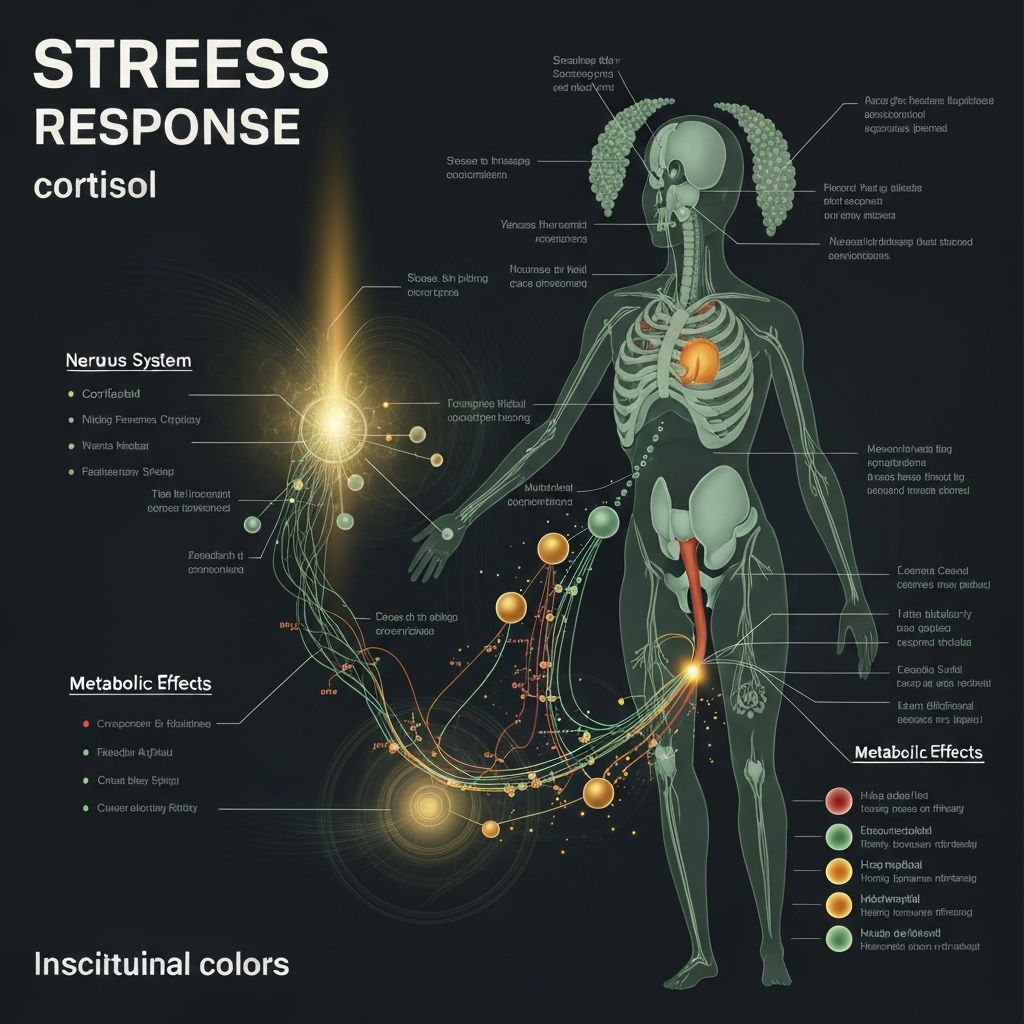
How Chronic Stress Affects Body Weight
Elevated cortisol from chronic stress influences body weight through multiple mechanisms:
Appetite Regulation
Chronic stress increases appetite, particularly for calorie-dense, highly palatable comfort foods. The hormonal shift increases cravings while reducing satiety signals.
Energy Redistribution
Your body conserves energy during sustained stress, reducing energy expenditure at rest. This metabolic adaptation was beneficial during historical scarcity but problematic with modern chronic stress.
Fat Storage Patterns
Elevated cortisol preferentially promotes abdominal fat storage. This visceral fat (fat around organs) is metabolically active and associated with greater health risks than subcutaneous fat.
Metabolic Efficiency
Chronic stress reduces metabolic flexibility. Your body becomes less efficient at switching between different fuel sources, affecting energy utilization.
Sleep Disruption
Elevated cortisol impairs sleep quality, which independently disrupts appetite hormones and metabolic regulation, creating a negative feedback loop.
Immune Dysfunction
Chronic stress suppresses immune function, increasing infection risk and promoting low-grade inflammation that affects metabolic health.
Stress and Food Choices
Chronic stress affects the neurochemistry of eating and food preferences:
- Comfort food preference: Stress increases preference for foods high in sugar and fat, which provide temporary relief through dopamine release
- Prefrontal cortex impairment: Stress reduces activity in the decision-making brain region, increasing impulsive eating
- Hedonic eating: Stress-related eating often becomes disconnected from physical hunger, driven instead by emotional regulation
- Eating speed: Stress often leads to rapid eating, which reduces satiety signals and promotes overconsumption
"The stress-weight connection is bidirectional: stress affects eating and metabolism, while difficulty managing weight creates additional psychological stress. Breaking this cycle requires addressing both stress and lifestyle simultaneously."
Stress Management and Metabolic Health
Effective stress management supports hormonal balance and weight stability:
Physical Activity
Regular exercise reduces cortisol levels, improves mood, and enhances metabolic health. Movement also provides a healthy outlet for stress hormone discharge.
Mindfulness Practices
Meditation, deep breathing, and mindfulness-based stress reduction lower cortisol levels and improve emotional regulation, reducing stress-driven eating.
Social Connection
Social relationships and community support reduce stress perception and cortisol response. Meaningful connection is protective against chronic stress effects.
Sleep Prioritization
Adequate sleep reduces stress reactivity and cortisol levels. Prioritizing sleep supports recovery and resilience to stress.
Time in Nature
Spending time outdoors reduces cortisol levels and promotes psychological recovery from stress. Regular nature exposure supports mental health.
Creative Pursuits
Engaging in hobbies and creative activities provides psychological recovery and reduces stress hormone production.