The Role of Physical Activity in Metabolism
Physical activity is a significant component of total energy expenditure and profoundly influences metabolic health. Beyond burning calories during exercise, regular activity affects resting metabolic rate, body composition, and metabolic flexibility.
Energy Expenditure Components
- Basal Metabolic Rate (BMR): Energy required for essential functions at rest (60-75% of daily expenditure)
- Thermic Effect of Food: Energy required to digest nutrients (10% of daily expenditure)
- Activity Energy Expenditure: Energy burned during exercise and daily movement (15-30% of daily expenditure)
- Non-Exercise Activity Thermogenesis (NEAT): Energy from daily activities, occupational movement, and fidgeting
Physical activity primarily influences activity energy expenditure and NEAT, but also affects BMR through changes in body composition.
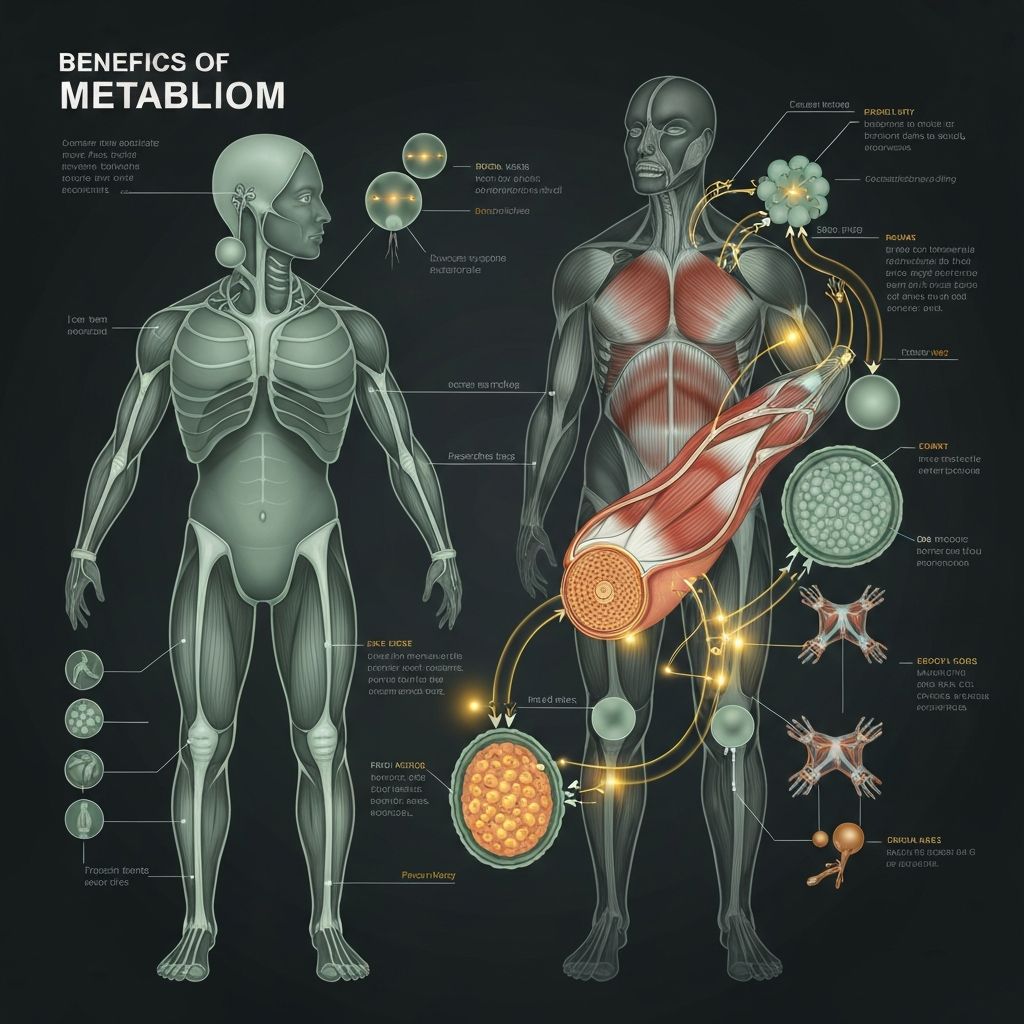
Types of Exercise and Their Metabolic Effects
Different exercise types influence metabolism through distinct mechanisms:
Aerobic Exercise
Continuous activities like walking, running, cycling, and swimming increase heart rate and energy expenditure. Regular aerobic activity improves cardiovascular health and supports weight management through calorie expenditure.
Resistance Training
Strength training builds and preserves lean muscle mass. Muscle tissue is metabolically active, increasing resting metabolic rate and improving glucose utilization. Resistance training also supports bone density and functional capacity.
High-Intensity Interval Training (HIIT)
Short bursts of intense activity followed by recovery periods create significant acute energy expenditure and improve metabolic flexibility. HIIT also triggers post-exercise oxygen consumption (EPOC).
Flexibility and Balance Work
While not high in calorie expenditure, stretching, yoga, and balance work support recovery, reduce injury risk, and improve functional capacity for sustainable long-term activity.
Activity and Body Composition
Physical activity affects body composition independently of weight loss:
- Muscle preservation: Regular resistance training preserves lean muscle mass during weight loss, maintaining metabolic rate
- Fat distribution: Exercise preferentially reduces visceral (abdominal) fat, which is metabolically active and associated with greater health risks
- Metabolic flexibility: Regular activity improves your body's ability to efficiently use different fuel sources
- Insulin sensitivity: Physical activity improves how your body responds to insulin, affecting energy storage and utilization
- Mitochondrial function: Exercise improves mitochondrial density and function, enhancing cellular energy production
"The scale doesn't tell the full story. Someone who gains muscle while losing fat may not see significant weight change but experiences dramatic improvements in metabolic health, body composition, and functional capacity."
Activity Patterns and Sustainable Exercise
The best exercise program is one you can sustain:
Consistency Over Intensity
Regular moderate activity provides more benefit than sporadic intense efforts. Building sustainable exercise habits creates long-term metabolic benefits.
Finding Enjoyable Activities
Exercise you enjoy is more likely to be sustained. Whether it's team sports, hiking, dance, or gym training, activities aligned with your interests support adherence.
Progressive Adaptation
Starting where you are and gradually increasing intensity prevents injury and burnout. Progressive overload builds strength and endurance over time.
Recovery and Rest Days
Recovery is where adaptation occurs. Adequate rest days support performance improvements and prevent overuse injuries.
Beyond Calories Burned
Physical activity benefits metabolism in ways beyond simple calorie expenditure:
- Hormonal regulation: Exercise positively affects hormone balance, including cortisol, insulin, and appetite hormones
- Cognitive function: Regular activity improves brain health, memory, and mood through neurochemical changes
- Sleep quality: Physical activity improves sleep quality and duration, which independently supports metabolic health
- Immune function: Moderate regular activity enhances immune response; extreme exercise temporarily suppresses it
- Longevity: Physical activity is one of the strongest predictors of lifespan and quality of life